
Charoite is a rare silicate mineral known for its distinctive purple to violet coloration, often accompanied by swirling patterns, fibrous textures, and contrasting white, black, or golden mineral inclusions. It is a potassium-rich calcium barium silicate hydroxide mineral with a complex chemical composition and a monoclinic crystal structure. Its characteristic appearance results from the fine intergrowth of fibrous and radiating mineral aggregates, which produce the flowing patterns commonly observed in polished specimens.
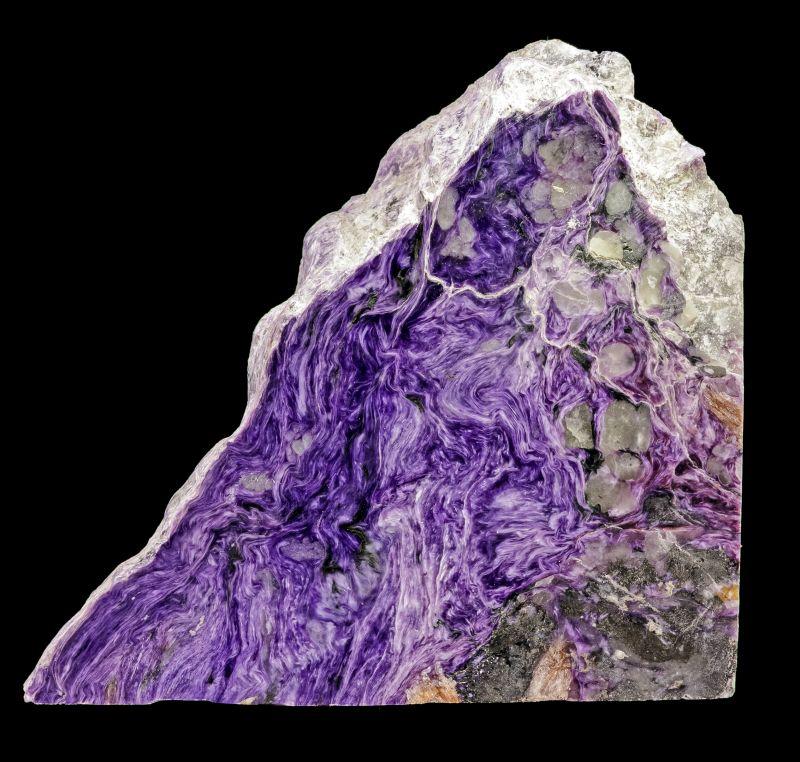
Charoite is primarily found in the Murun Massif of the Sakha Republic (Yakutia), in eastern Siberia, Russia. This locality remains the principal known source of material suitable for mineral collecting and lapidary use. The mineral occurs in an unusual geological environment associated with metasomatic alteration of carbonate-rich rocks by alkali-rich fluids. Unlike many purple gemstones, whose colors may result from relatively simple trace-element substitutions, charoite’s coloration and visual characteristics are associated with its complex mineral chemistry and aggregate structure.
Although charoite is sometimes marketed as a gemstone, it is primarily valued as a decorative and ornamental material rather than a conventional faceted gemstone. Its fibrous structure, distinctive color patterns, and limited geographic occurrence make it recognizable in mineral collections and polished stone objects.
History and Discovery of Charoite
Charoite was first recognized as an unusual mineral in the Murun Massif of eastern Siberia, Russia. Although the geological region had been investigated before its formal identification, the mineral was not scientifically described until the 1970s. Its official description was published in 1978 by Soviet mineralogists V. P. Rogova, Y. G. Rogov, V. A. Drits, and N. N. Kuznetsova. The mineral subsequently received approval as a distinct mineral species in 1977, according to its IMA registration.
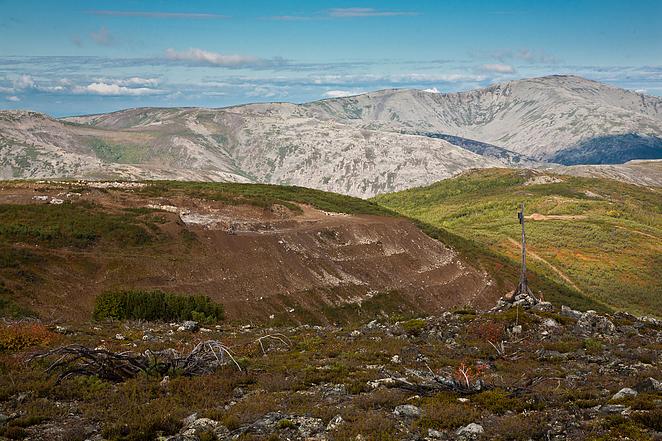
The name Charoite is derived from the Chara River, located in the broader region of its type locality. The mineral is associated with an unusual alkaline intrusive complex in which metasomatic processes transformed carbonate-rich rocks and produced a range of uncommon silicate minerals. Its complex chemical composition and distinctive fibrous structure attracted attention from mineralogists studying the mineralogy and geological evolution of the Murun Massif.
Following its scientific description, Charoite gradually became known in the international mineral and gemstone markets. Its vivid purple coloration, distinctive swirling patterns, and restricted geographic occurrence contributed to its recognition as an ornamental stone. Today, the Murun Massif remains the principal documented source of material used for mineral specimens and lapidary products.
Chemical Composition and Mineral Classification of Charoite
Charoite is a complex potassium-bearing silicate mineral belonging to the inosilicate group. Its commonly accepted chemical formula is K(Ca,Na)₂Si₄O₁₀(OH,F)·H₂O, although variations in chemical composition have been reported among analyzed specimens. The mineral contains potassium, calcium, sodium, silicon, oxygen, and hydroxyl or fluorine components, with minor amounts of other elements potentially occurring through chemical substitutions. Barium, manganese, strontium, and other elements may also be present in associated minerals or as minor constituents in charoite-bearing material.
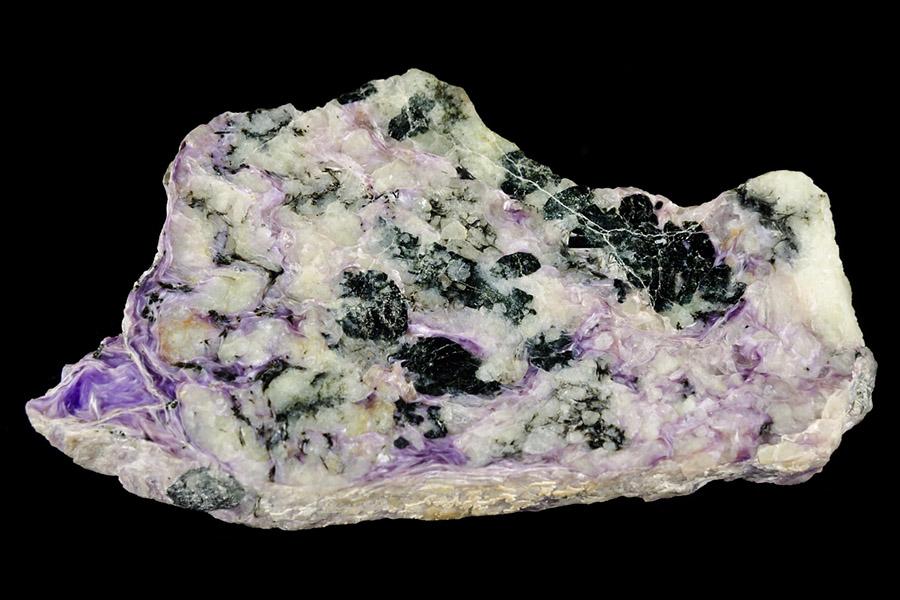
Its complex composition reflects the unusual geological conditions under which it forms. Charoite is associated with potassium-rich, alkaline metasomatic environments where chemically reactive fluids interact with carbonate-bearing rocks. These processes facilitate the redistribution of major and minor elements, allowing complex silicate minerals to crystallize in localized zones of alteration.
In mineral classification, charoite is recognized as a distinct mineral species rather than a gemstone variety of another silicate. It is classified among the inosilicates because of the arrangement of silicate tetrahedra within its crystal structure. Its composition and structural complexity distinguish it from more common purple minerals such as amethyst, lepidolite, and sugilite, despite occasional similarities in color.
Crystal Structure of Charoite
Charoite crystallizes in the monoclinic crystal system and belongs to the space group P2₁/m. Its crystal structure is unusually complex, consisting of several distinct types of silicate chains arranged alongside ribbons of calcium- and sodium-bearing octahedra. This structural arrangement distinguishes charoite from many other inosilicates, which generally contain simpler chain configurations.
Structural studies have identified three principal types of silicate chains within charoite: double silicate chains, tubular loop-branched triple chains, and tubular hybrid quadruple chains. These chains extend parallel to one another and are interconnected with ribbons of metal-centered octahedra. Potassium, strontium, barium, manganese, and water molecules occupy various channels and cavities within the structure. The arrangement of these structural components contributes to the mineral’s complex chemical composition and crystallographic characteristics.
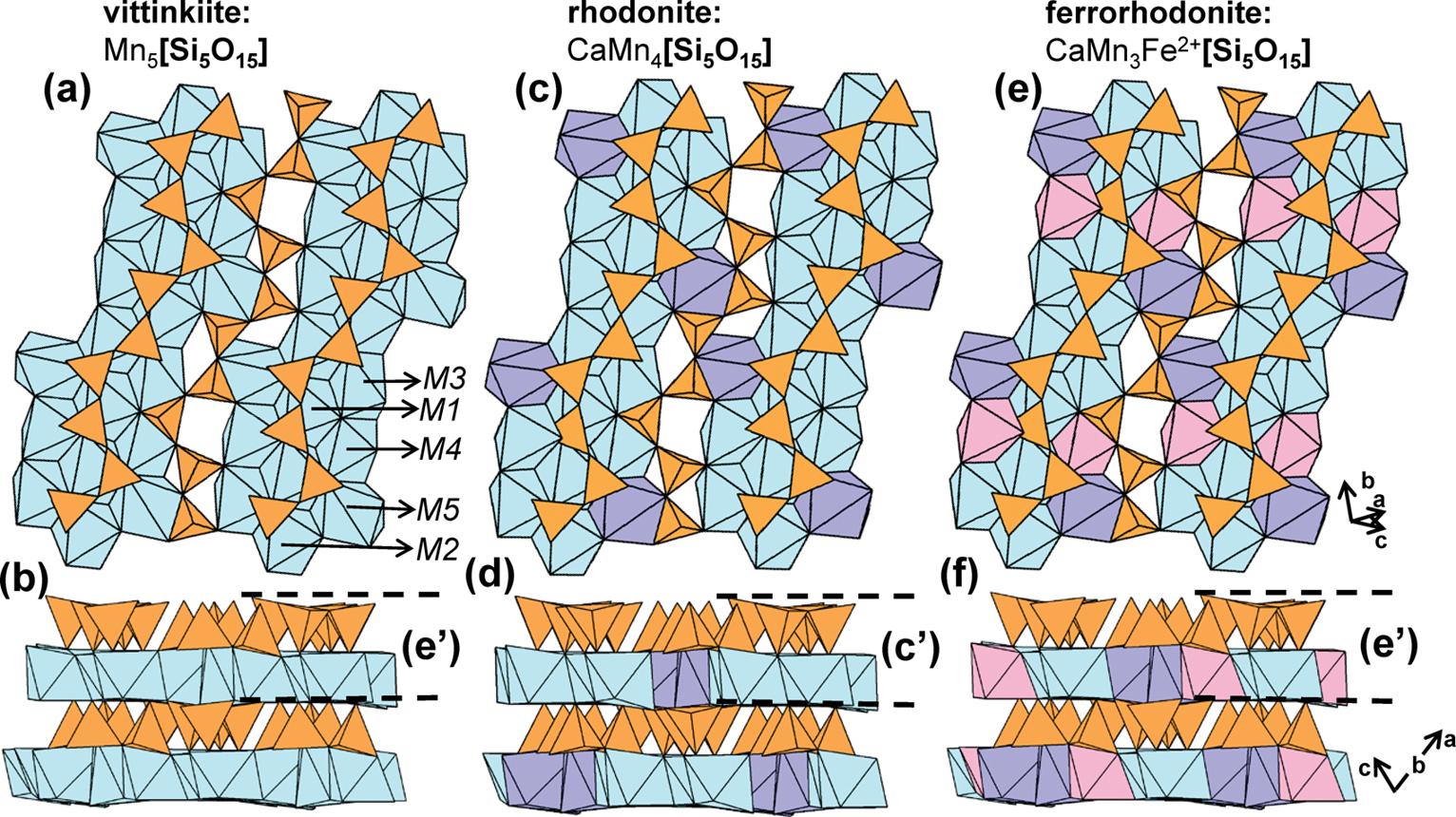
Unlike minerals that commonly develop well-defined individual crystals, charoite is most frequently encountered as massive, fibrous, or fine-grained aggregates. Its individual crystal components are generally too small and intricately intergrown to produce easily recognizable crystal faces. The fibrous arrangement is particularly important to its physical appearance, creating the characteristic flowing patterns and directional textures visible in cut and polished material.
The detailed crystal structure of charoite was investigated using electron diffraction and high-resolution transmission electron microscopy. A major structural study published in 2010 provided a more complete understanding of its unusual silicate-chain arrangements and complex atomic organization. Subsequent research further examined variations in its structural configurations, including different polytypic forms.
Formula clarification: Charoite has a complex IMA formula, commonly written as (K,Sr,Ba,Mn)₁₅₋₁₆(Ca,Na)₃₂Si₇₀(O,OH)₁₈₀₄·nH₂O, rather than the simplified formula given in the previous section.
Physical Properties of Charoite
Charoite is best known for its purple to violet coloration and complex fibrous appearance. Its color ranges from pale lavender and lilac to deep violet, plum, and occasionally nearly blackish purple. Some specimens display relatively uniform coloration, while others contain irregular bands, streaks, and swirling patterns created by the intergrowth of fine mineral fibers. White, gray, black, brown, and golden-yellow areas may also occur, reflecting the presence of associated minerals such as feldspar, aegirine, tinaksite, and other silicates. The distribution and proportions of these components vary considerably between specimens, producing differences in color, texture, and overall appearance.
The mineral generally has a vitreous to silky luster, although the appearance depends strongly on its surface texture and the orientation of its fibrous aggregates. Freshly fractured surfaces may show a more subdued or uneven luster, whereas polished surfaces commonly display a combination of silky reflections and localized vitreous areas. Some fibrous specimens exhibit chatoyancy, an optical effect in which a narrow band of reflected light moves across the surface as the viewing angle changes. This effect is associated with the parallel arrangement of fine fibers and is not equally developed in all material.
Charoite has a Mohs hardness of approximately 5 to 6, placing it within the moderate-hardness range for ornamental minerals. Its hardness allows it to be cut, shaped, and polished, although its fibrous aggregate structure requires careful handling during lapidary processing. It is not as resistant to scratching as quartz, which has a Mohs hardness of 7, and may be damaged by harder minerals or abrasive materials. Its durability also depends on the compactness of the aggregate, the presence of fractures, and the amount of associated softer minerals.
The mineral typically has a white streak and a specific gravity of approximately 2.5 to 2.8, although reported values can vary with chemical composition and the presence of associated mineral phases. It does not exhibit the consistent, well-developed cleavage commonly observed in some other silicate minerals. Instead, specimens may fracture unevenly or along weaknesses created by their fibrous and intergrown structure. This irregular fracture behavior is one reason why charoite is generally processed as a massive ornamental stone rather than as a material for conventional faceted gemstones.
Charoite is generally translucent to opaque, with transparency varying according to the thickness, density, and arrangement of its fibers. Thin edges or localized areas of some specimens may transmit light, while most massive material remains opaque. Its optical properties are also influenced by internal inclusions and mineral intergrowths, which can produce contrasting zones of light transmission, reflection, and color. These characteristics contribute to the visual variation observed between rough specimens and polished cabochons.
Chemical Properties of Charoite
Charoite is a chemically complex silicate mineral whose composition reflects the unusual alkaline and metasomatic conditions of its formation. Potassium is an important constituent, while calcium and sodium occupy major structural positions within its silicate framework. Silicon and oxygen form the principal structural components, and hydroxyl groups, fluorine, and molecular water are also incorporated into the mineral’s composition. Minor substitutions involving elements such as strontium, barium, and manganese contribute to the chemical variability found in natural material.
The presence of several different cations within its crystal structure makes charoite more chemically complex than many common silicate minerals. These elements do not occur in completely fixed proportions in every specimen. Instead, their distribution can vary according to local chemical conditions during mineral formation, including the composition of the reacting fluids, temperature, pressure, and the availability of elements released from surrounding rocks. Such variations are particularly relevant in the Murun Massif, where charoite occurs alongside numerous uncommon alkaline silicate minerals.
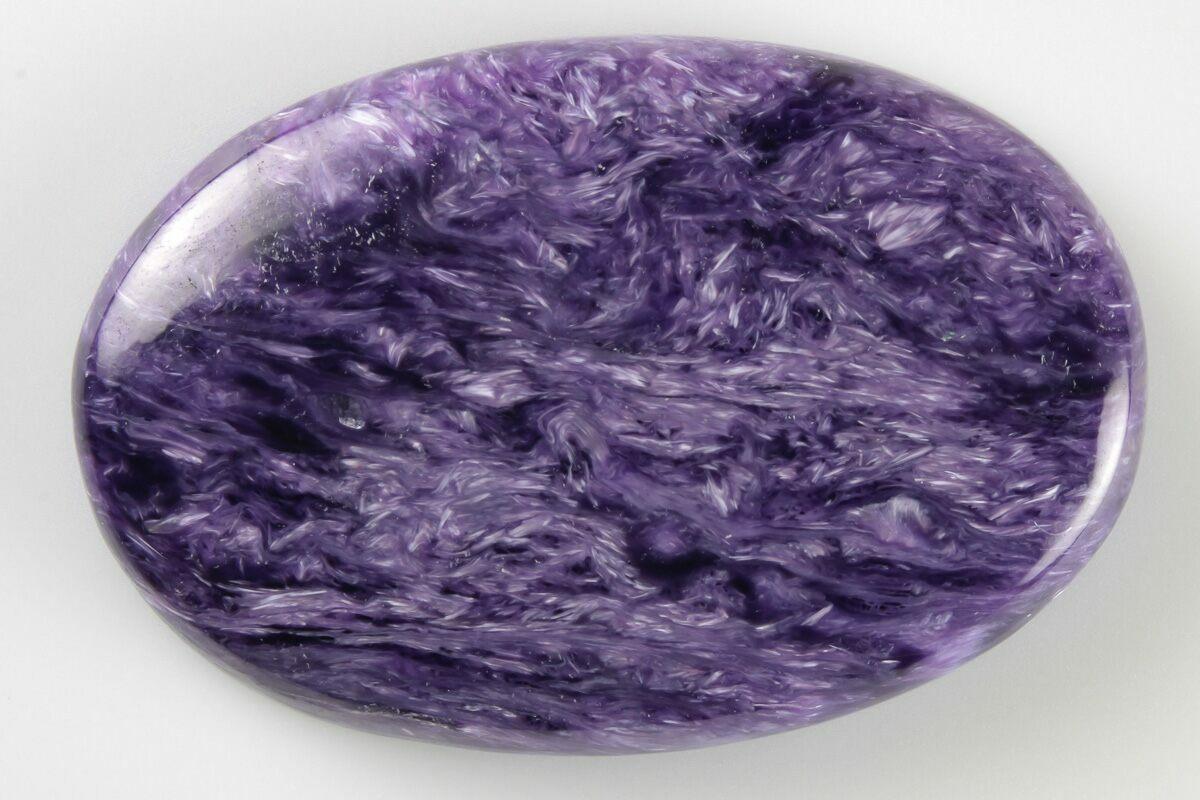
Charoite is generally stable under ordinary environmental conditions, but its durability can be affected by prolonged exposure to harsh chemical environments and unsuitable cleaning treatments. As a silicate mineral, it is not readily dissolved by ordinary water, although strong acids and other aggressive chemical reagents may attack or alter its surface. Its fibrous and intergrown texture can also retain residues in small surface openings and fractures, making gentle cleaning preferable to treatments involving strong chemicals or prolonged exposure to moisture.
The chemical composition of charoite also helps distinguish it from other purple ornamental minerals. Amethyst is a variety of quartz composed primarily of silicon dioxide, while lepidolite is a lithium-rich mica containing potassium and aluminum. Sugilite is another potassium-bearing silicate, but its chemical composition and crystal structure differ from those of charoite. Although these minerals may share similar purple colors, their elemental compositions, structural arrangements, and geological environments are distinct.
Formation and Geological Occurrence of Charoite
Charoite forms in an unusual geological environment associated with alkaline igneous intrusions and metasomatic alteration. Its formation is closely connected to the Murun Massif, a complex alkaline intrusive system located in the Aldan Shield of eastern Siberia, Russia. The massif contains a diverse assemblage of igneous rocks, carbonatites, and rare silicate minerals. Charoite-bearing rocks, commonly referred to as charoitites, occur mainly near the contact zones between potassium-rich alkaline intrusions and older carbonate-bearing sedimentary rocks. These geological relationships provide important evidence for understanding the mineral’s origin and the processes responsible for its restricted distribution.
One widely discussed formation mechanism involves potassium-rich metasomatism. During this process, chemically active fluids migrate through fractures and permeable zones in the surrounding rocks, introducing potassium, calcium, silicon, and other elements while modifying the original mineral assemblages. The fluids react with carbonate-rich host rocks, resulting in the formation of new silicate minerals. Under suitable chemical and physical conditions, charoite crystallizes alongside other uncommon calcium-, potassium-, and sodium-bearing silicates. The intensity of alteration, fluid composition, and availability of chemical components influence the resulting mineral assemblage and the proportions of charoite within the rock.
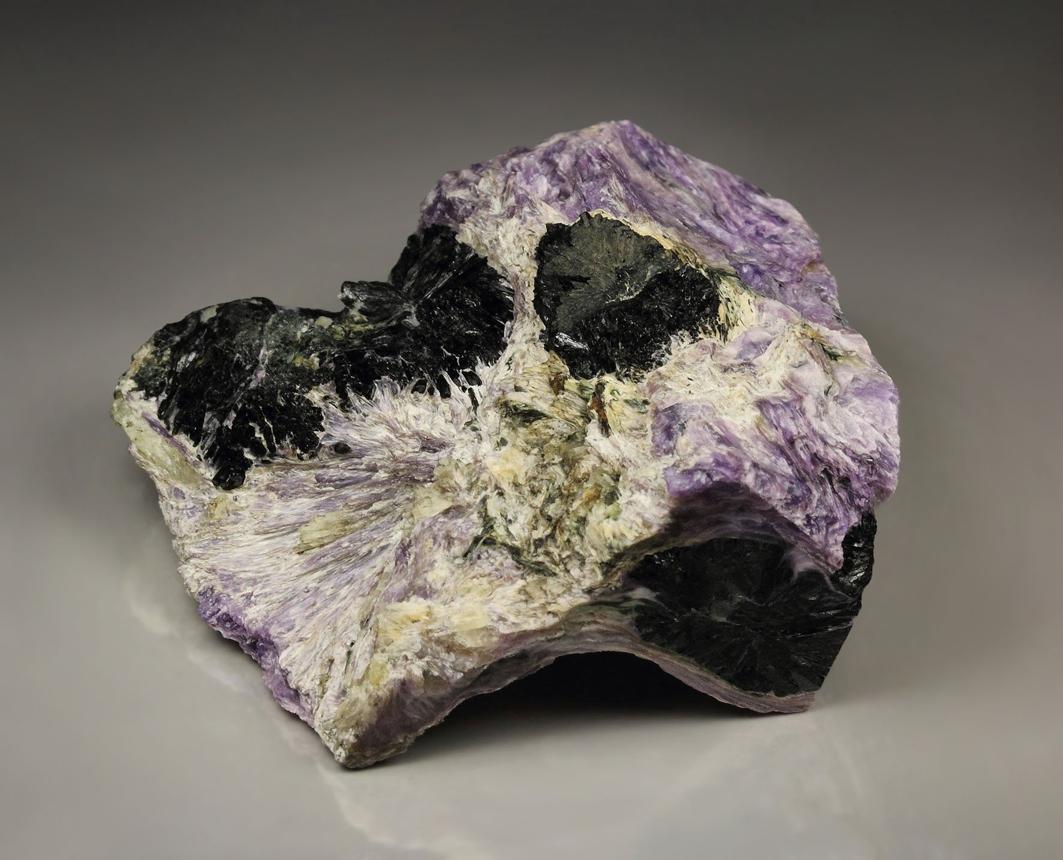
The geological development of charoite-bearing rocks is more complicated than a simple low-temperature hydrothermal replacement process. Research has identified evidence of both magmatic crystallization and later fluid-related alteration. Studies of mineral-hosted melt and fluid inclusions indicate that some early minerals crystallized at temperatures exceeding 800°C, with subsequent crystallization continuing as the system cooled. Other investigations have documented lower-temperature aqueous fluids that affected the rocks after the initial magmatic stage. These observations suggest that charoite-bearing formations experienced several stages of geological evolution rather than a single mineral-forming event.
The precise origin of charoitites remains a subject of scientific discussion. The traditional interpretation emphasizes metasomatic replacement, in which alkaline fluids chemically transform pre-existing carbonate-rich rocks. An alternative interpretation proposes that charoite-bearing rocks developed partly through the crystallization and differentiation of unusual potassium-rich magmatic melts. Evidence supporting the magmatic interpretation includes the occurrence of vein-shaped and lens-shaped bodies, mineral-hosted melt inclusions, and compositional differences between charoitites and their surrounding host rocks. More recent research suggests that magmatic and hydrothermal processes may both have contributed to the formation of the deposit, although the relative importance of each process and the detailed sequence of mineral formation remain under investigation.
The mineral assemblage associated with charoite is particularly diverse. Charoitites may contain aegirine, tinaksite, canasite, tokkoite, pectolite, fedorite, frankamenite, quartz, potassium feldspar, calcite, and several other uncommon minerals. Some deposits contain as many as approximately 50 identified mineral species. These minerals may occur as individual crystals, fibrous aggregates, granular inclusions, veins, or irregular intergrowths within the rock. Their distribution is controlled by variations in chemical composition and the changing conditions during crystallization and subsequent alteration. The combination of these mineral phases is also responsible for the contrasting colors and complex textures commonly observed in natural charoite specimens.
The formation of charoite is therefore closely associated with specialized geological conditions involving alkaline magmatism, chemical differentiation, fluid movement, and interaction between intrusive rocks and carbonate-rich formations. Its occurrence within a relatively restricted geological setting explains why commercially recognizable charoite has not been established as a widely distributed mineral resource. The Murun Massif remains essential to geological research into charoite and related rare alkaline silicates.
Color and Optical Properties of Charoite
Charoite is most commonly recognized by its purple and violet coloration, which ranges from pale lavender and lilac to medium violet, deep purple, and occasionally dark plum. The color distribution is rarely completely uniform in natural specimens. Instead, different shades may appear as elongated streaks, irregular bands, swirling zones, and interwoven fibrous patterns. Some material also contains white, gray, black, brown, or golden-colored areas produced by associated minerals and inclusions.
The origin of charoite’s purple coloration is related to its complex chemical composition and the presence of color-producing elements within its mineral structure. Manganese is commonly discussed in connection with the coloration of charoite, although the relationship between individual chemical substitutions and the observed optical properties is not entirely straightforward. Variations in composition, structural defects, and the distribution of different mineral phases can influence the appearance of individual specimens. Consequently, the intensity and precise shade of purple may differ considerably even among samples from the same deposit.
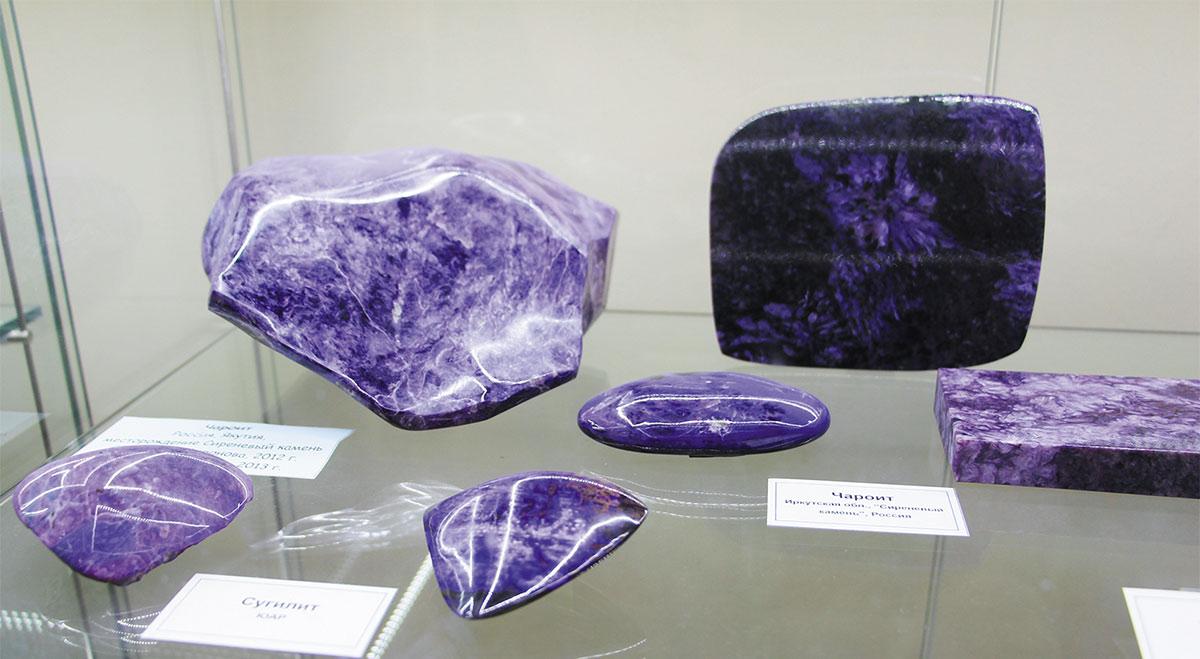
One of the most distinctive optical characteristics of charoite is its silky appearance. This effect is associated with the mineral’s fine fibrous and interlocking aggregate structure. When light interacts with numerous closely arranged fibers, it produces directional reflections that can create a flowing or shimmering visual effect. Depending on the orientation of the fibers and the quality of the polished surface, this appearance may range from a relatively subdued silky sheen to stronger localized reflections.
Some specimens display chatoyancy, commonly described as a cat’s-eye effect. This optical phenomenon occurs when light is reflected by numerous parallel or approximately aligned internal structures, producing a narrow luminous band across the surface. As the specimen is rotated, the band may appear to move relative to the observer. The strength and visibility of this effect depend on the orientation, density, and regularity of the fibrous components. Not all charoite exhibits pronounced chatoyancy, and the effect is generally more noticeable in carefully selected and properly oriented cabochons.
Charoite is generally translucent to opaque. Most massive specimens are opaque because their densely intergrown fibers and associated mineral inclusions scatter and obstruct transmitted light. Some thinner sections or areas with fewer inclusions may show limited translucency, particularly along their edges. The combination of internal light scattering, fibrous reflections, and contrasting mineral components gives polished charoite its characteristic optical appearance.
Its optical properties are important in both mineral identification and lapidary evaluation. The purple coloration alone is insufficient to establish a specimen as charoite because several other minerals can have similar colors. The combination of violet coloration, characteristic fibrous patterns, silky luster, and associated mineral textures provides more useful visual evidence when examining suspected material.
Types and Varieties of Charoite
Charoite is recognized as an individual mineral species rather than a mineral group with several formally established varieties. However, natural charoite-bearing material displays considerable variation in color, texture, fiber arrangement, and associated mineral composition. These differences are mainly related to the proportions of charoite and accompanying minerals, as well as variations in the geological conditions under which individual portions of the deposit formed.
Purple Charoite: Purple is the most characteristic color of charoite. Specimens range from pale lavender and lilac to medium violet and deep purple. The color may occur relatively uniformly or form irregular bands and flowing patterns throughout the material. More intensely colored specimens are commonly associated with material from the principal Murun deposit and are widely used for ornamental stone production.
Fibrous Charoite: Fibrous material is characterized by closely intergrown, elongated mineral fibers that produce a silky appearance. The fibers may occur in parallel arrangements, curved bands, or radiating aggregates. Depending on their orientation, they can create directional reflections and occasional chatoyancy. This texture is particularly important in polished cabochons and decorative objects.
Swirling or Patterned Charoite: Some specimens contain complex purple and white, gray, or black patterns that resemble flowing bands or irregular waves. These patterns result from variations in fiber orientation and the intergrowth of charoite with other minerals. The distribution of these components can produce contrasting zones, curved structures, and irregular color transitions. Patterned material is commonly selected for ornamental applications.
Charoite with Associated Minerals: Natural charoite-bearing rocks frequently contain additional silicate minerals, including tinaksite, aegirine, microcline, and canasite. These minerals may appear as dark greenish-black inclusions, orange or brown crystals, pale gray patches, or other contrasting areas within the predominantly purple material. Such specimens are often classified commercially according to their overall appearance, although they do not represent separate mineral species or formally recognized varieties of charoite.
Major Occurrences and Localities of Charoite
Charoite has an exceptionally restricted geographical distribution compared with many other silicate minerals. Its principal and economically significant occurrence is in the Murun Massif, situated in the Sakha Republic (Yakutia), eastern Siberia, Russia. This locality is the type locality of the mineral and remains the primary documented source of charoite-bearing material used in mineral collections and the gemstone trade.
The Murun Massif is part of the Aldan Shield and contains a complex assemblage of alkaline intrusive rocks, carbonatites, and metasomatically altered formations. Charoite occurs mainly in potassium-rich metasomatic rocks developed near the contacts between nepheline and aegirine syenites and carbonate-bearing formations. The mineral is commonly associated with tinaksite, canasite, aegirine, microcline, pectolite, and several other uncommon silicates. Variations in these associated minerals produce differences in the color, texture, and mineral composition of material recovered from different parts of the deposit.
Within the Murun region, charoite-bearing formations occur in several areas associated with the larger alkaline complex. The material is not necessarily uniform throughout the deposit, as different geological zones contain varying proportions of charoite and accompanying minerals. Some areas produce predominantly purple fibrous material, while others contain more complex mineral assemblages with contrasting orange, greenish-black, gray, and white components. These variations are important in determining the appearance and suitability of individual specimens for mineral collecting and ornamental processing.
Charoite has also been reported from other localities in Russia, including occurrences associated with the broader Murun geological region and the Patyn Mountain area in Kemerovo Oblast. However, not all reported occurrences produce material comparable to the characteristic purple charoite from the type locality. Some specimens described in mineralogical databases have different colors or geological associations, and individual locality records may require further verification.
Reports of charoite from outside Russia are considerably less established. Although occasional international locality records appear in mineral databases, the Murun Massif remains the defining source of commercially recognized charoite. Its unusual geological setting and limited geographical occurrence make the mineral relatively uncommon in the international mineral market.
Uses and Applications of Charoite
Charoite is primarily used as an ornamental and lapidary material because of its distinctive purple coloration, fibrous texture, and naturally occurring patterns. Unlike many transparent gemstones that are cut into faceted shapes, charoite is generally processed into cabochons, beads, polished slabs, and decorative objects. Its moderate hardness and complex aggregate structure make it more suitable for these applications than for conventional faceted gemstone cutting. The selection of material for different purposes depends on its color distribution, structural compactness, fracture condition, and the presence of associated minerals.
Gemstone and Jewelry Applications
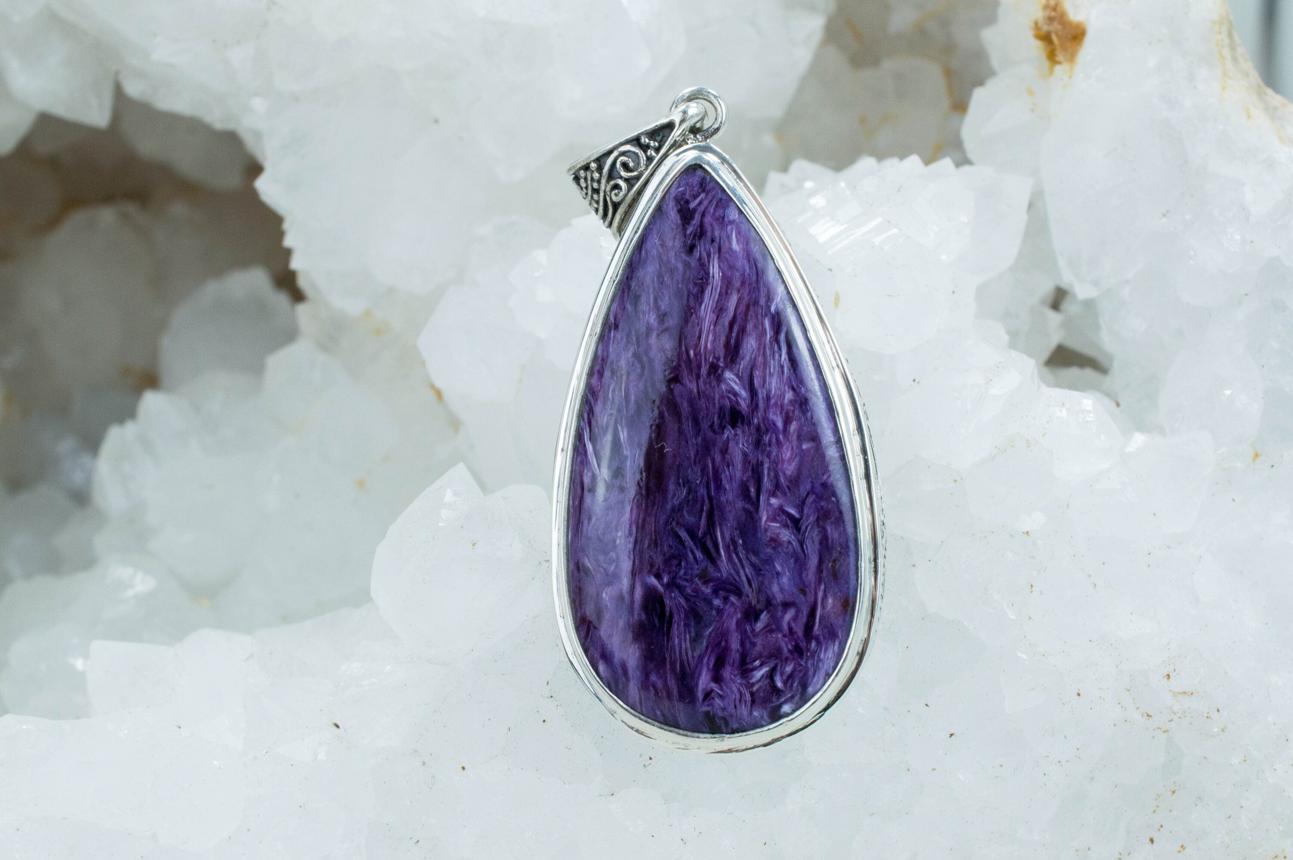
Charoite is used in various types of gemstone jewelry, including rings, pendants, necklaces, earrings, bracelets, and brooches. It is most commonly cut into cabochons, which preserve the mineral’s natural patterns and allow its fibrous structure to become more visible under polished surfaces. Oval, round, pear-shaped, and freeform cuts are frequently used, depending on the dimensions and internal characteristics of the rough material.
In jewelry production, charoite is often combined with sterling silver, gold, and other metals. Silver settings are particularly common because their relatively neutral appearance provides a visual contrast with the purple tones of the stone. Some jewelry designs emphasize relatively uniform violet material, while others use specimens containing contrasting white, black, or golden mineral inclusions. Beads and polished chips are also used in necklaces and bracelets, where variations in color and pattern create differences between individual pieces.
Despite its suitability for ornamental jewelry, charoite requires reasonable care during everyday use. Its Mohs hardness of approximately 5 to 6 makes it more susceptible to scratching than quartz, sapphire, and several other commonly used gemstones. Rings and bracelets may therefore experience surface wear if exposed to repeated contact with harder materials. Protective settings and careful handling can help reduce the risk of damage.
Carving and Decorative Objects
Charoite is also processed into small sculptures, figurines, ornamental carvings, polished spheres, freeform objects, and other decorative items. Its fibrous patterns and variable purple coloration provide visual variation across larger polished surfaces, making it suitable for objects that display the natural structure of the stone. Depending on the quality and dimensions of the raw material, artisans may produce animal figures, abstract sculptures, decorative boxes, small bowls, and other carved objects.
Larger pieces are sometimes cut into slabs or shaped into display specimens that retain the original mineral intergrowths. These products may contain extensive areas of purple charoite alongside contrasting minerals, allowing the geological complexity of the material to remain visible. Polished spheres and freeform pieces are also produced from compact, relatively homogeneous sections of charoitite.
The fibrous nature of charoite presents certain challenges during carving and polishing. Material containing numerous fractures, loosely bonded aggregates, or unevenly distributed inclusions may be difficult to process without chipping or surface damage. Lapidaries therefore select compact sections with suitable structural integrity before undertaking more detailed work.
Mineral Collecting and Geological Research
Charoite is an established mineral among collectors because of its unusual chemical composition, distinctive crystal structure, and restricted geographical occurrence. Mineral specimens may be collected as polished ornamental pieces or as natural rocks containing visible charoite and associated silicate minerals. Unpolished specimens are particularly useful for examining the mineral’s fibrous aggregate structure and geological relationships with other minerals.
In scientific research, charoite-bearing rocks provide material for investigating alkaline magmatic systems, metasomatic alteration, and the formation of uncommon silicate minerals. Its complex silicate-chain structure has also attracted interest in crystallography and mineralogical research. Studies of its composition, structural variations, and associated mineral assemblages contribute to a broader understanding of the geological evolution of the Murun Massif.
Decorative and Interior Applications
Polished charoite is occasionally used in decorative interior objects, including paperweights, small panels, tabletops, display pieces, and ornamental accessories. Its purple coloration can be incorporated into decorative designs where natural stone patterns are preferred over uniform manufactured materials. However, its limited availability, moderate hardness, and relatively complex processing requirements restrict its use in large-scale architectural applications.
Unlike durable building stones such as granite and quartzite, charoite is not generally selected for flooring, exterior cladding, or heavily used countertops. Its primary role in interior design remains decorative, particularly in small objects and display materials where direct mechanical wear is limited.
Overall, the applications of charoite are concentrated in jewelry, lapidary production, decorative carving, mineral collecting, and geological research. Its value in these fields is largely determined by its distinctive mineralogical characteristics rather than by industrial utility.
How to Identify Charoite
Charoite can be recognized through a combination of its characteristic purple coloration, fibrous aggregate structure, silky luster, and geological associations. However, visual identification alone is not always sufficient because several other minerals used in ornamental materials can display similar violet or lavender colors. Reliable identification requires examining multiple physical and mineralogical characteristics rather than relying on color as the sole diagnostic feature.
One of the most useful visual characteristics is its distinctive fibrous texture. Natural charoite commonly displays interwoven, radiating, or flowing fibers that create irregular patterns across the surface. These structures may appear as curved bands, swirling zones, or elongated streaks with varying shades of purple. White, gray, black, and occasionally golden-colored mineral inclusions may occur within the same specimen. This combination of colors and textures is often more informative than the purple coloration itself.
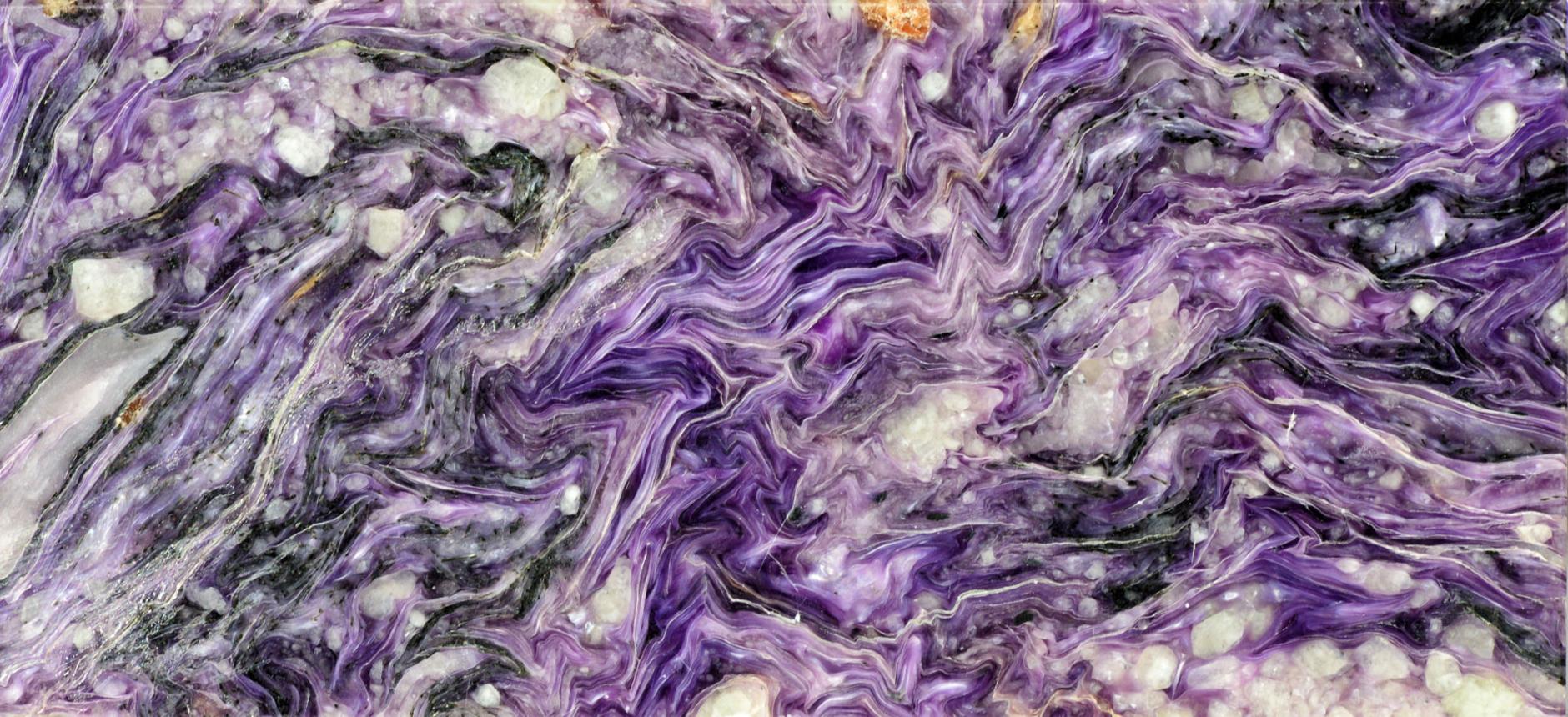
Its luster provides another useful identification characteristic. Charoite typically has a silky to vitreous appearance, with fibrous sections producing localized reflections when illuminated. Some specimens exhibit a subtle cat’s-eye effect caused by the orientation of fine fibers. When a polished specimen is rotated under a light source, the reflected band may shift across its surface. However, this optical effect is variable and should not be considered a required characteristic.
Hardness testing can provide additional information. Charoite has a Mohs hardness of approximately 5 to 6, meaning it is harder than calcite but generally softer than quartz. A scratch test may help distinguish it from some softer purple ornamental materials, although destructive testing is not recommended for valuable or polished specimens. Hardness results can also be affected by associated minerals, particularly where the specimen contains mixed mineral phases.
The mineral’s geological origin is another important consideration. Well-documented charoite material is associated primarily with the Murun Massif in the Sakha Republic, Russia. Specimens accompanied by minerals such as tinaksite, aegirine, canasite, and potassium feldspar may provide useful supporting evidence. However, mineral associations alone cannot establish a definitive identification without appropriate analytical examination.
For more reliable identification, mineralogical laboratories may use X-ray diffraction (XRD) to determine the crystal structure and distinguish charoite from visually similar minerals. Electron microscopy combined with energy-dispersive X-ray spectroscopy (SEM-EDS) can provide information about its elemental composition and the distribution of associated mineral phases. Raman spectroscopy may also assist in identifying the mineral through its characteristic vibrational spectrum.
Several purple minerals can resemble charoite, particularly when cut and polished. Amethyst generally has a more uniform crystalline appearance and is considerably harder. Sugilite may display similar purple colors but usually lacks the characteristic fibrous swirling structure of charoite. Lepidolite commonly has a micaceous texture and a different cleavage behavior, while purpurite is typically more reddish-purple to brownish-purple and has a distinct phosphate composition. Examining the mineral’s texture, hardness, luster, and composition together helps distinguish these materials more accurately.