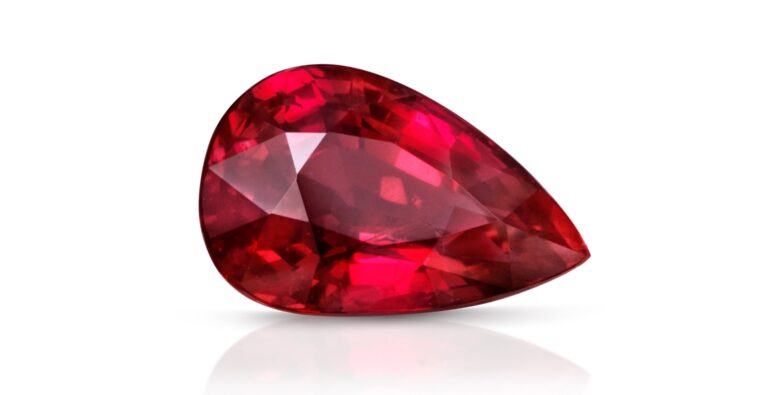
Classification
Mineral names, chemical formula, IMA symbol, group, Strunz and Dana classification.
Browse mineral profiles by name, formula or IMA symbol. Compare physical properties, crystal structure and occurrence in one place.
Detailed records for identification, research and comparison.
Each record brings together classification, crystal structure, physical and optical properties, occurrence, and handling notes. Search by name, alternative name, chemical formula or IMA symbol.
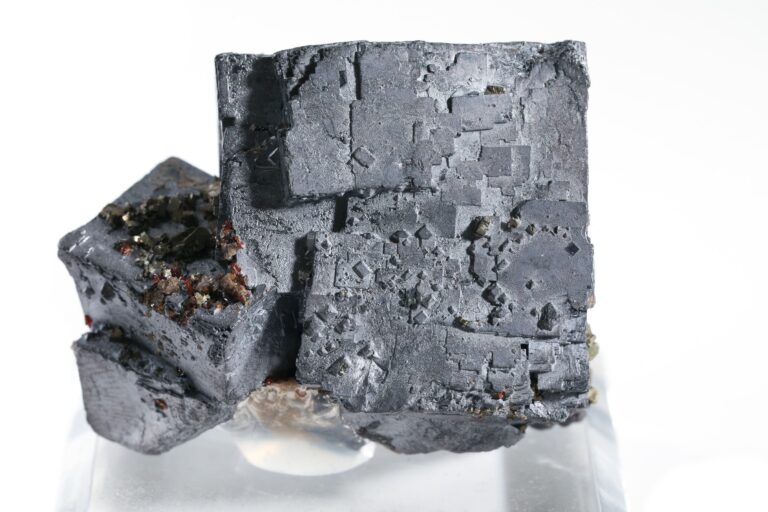
Galena is the primary natural mineral form of lead(II) sulfide (PbS), crystallizing in the isometric crystal system with a halite-type rock-salt crystal structure. As the world's most critical and abundant ore of lead—and a major historical source of byproduct silver—galena is celebrated for its high specific gravity (~7.6), splendent metallic luster, lead-gray streak, and perfect cubic...
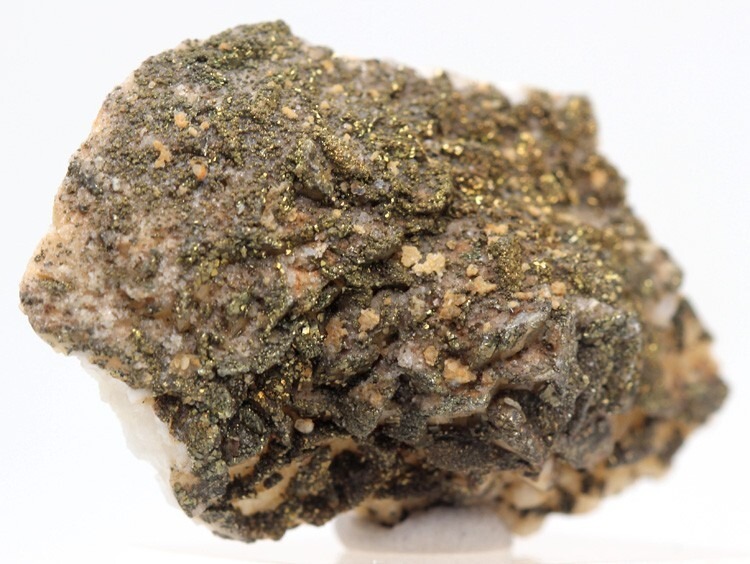
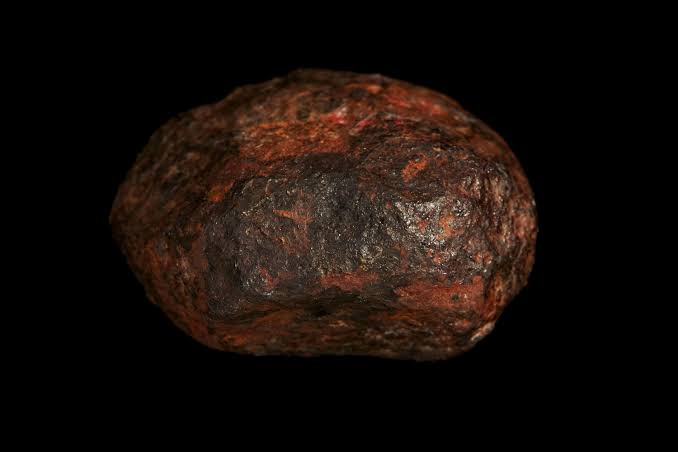
Cattierite is a rare cobalt sulfide mineral with the chemical formula CoS₂, belonging to the pyrite group. First discovered in the rich stratiform copper-cobalt deposits of the Katanga Copperbelt in the Democratic Republic of the Congo, it typically occurs as metallic pinkish-gray to dark gray microscopic crystals, cubes, and granular aggregates associated with other base-metal sulfides.
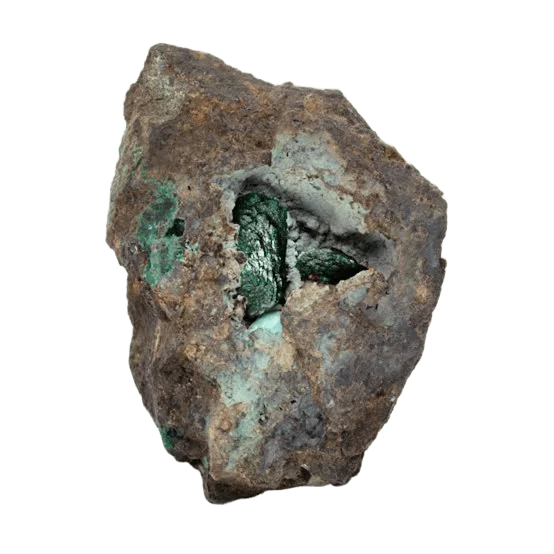
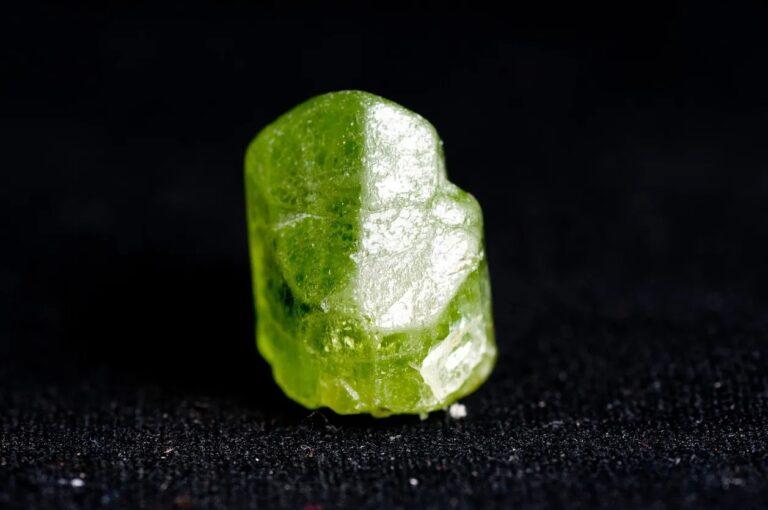
Kernowite is a rare copper iron arsenate hydrate mineral discovered in St Day, Cornwall, UK. It is the iron-dominant analogue of liroconite. Known for its distinct emerald-green crystals, it crystallizes in the monoclinic system and typically forms as tabular to wedge-shaped crystals in oxidized copper deposit zones.

Sicherite is an exceedingly rare thallium arsenic sulfosalt mineral belonging to the orthorhombic crystal system, first discovered in the cavities of Triassic dolomites at the famed Lengenbach Quarry, Switzerland.
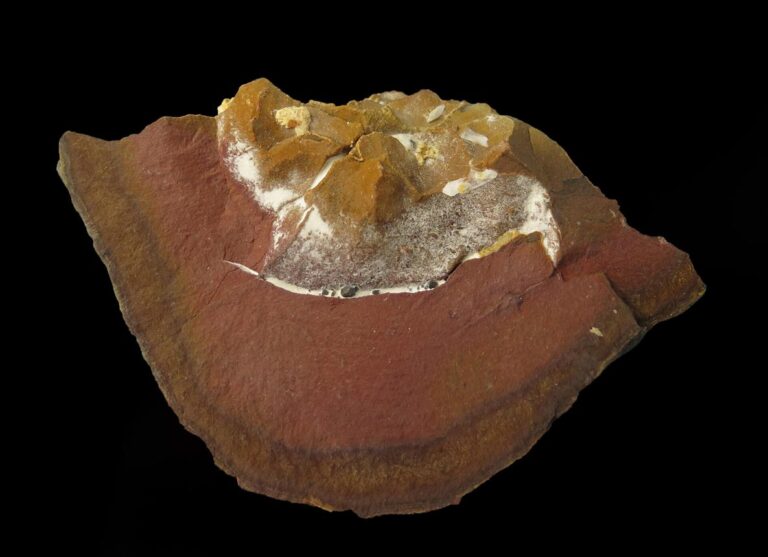
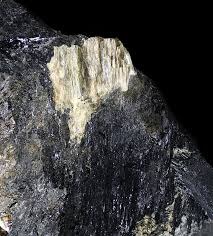
Nacrite is a kaolin-group clay mineral and a polymorph of kaolinite with the formula Al₂Si₂O₅(OH)₄. It occurs as white, pearly, tabular crystals or fine scaly aggregates, commonly in hydrothermal alteration assemblages.
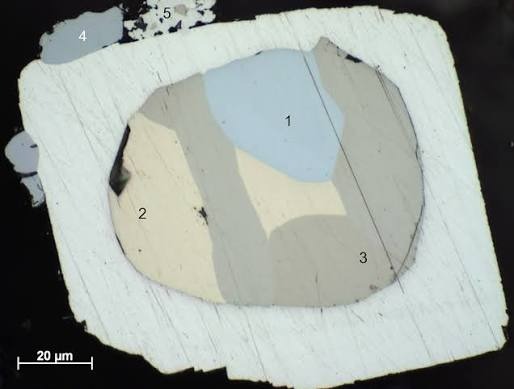
Geversite is a rare platinum-group mineral (PGM) with the chemical composition PtSb₂, crystallizing in the isometric pyrite structure type. First described from the Driekop Mine in the Bushveld Igneous Complex, South Africa, it forms microscopic metallic grains, euhedral cubes, and complex intergrowths typically hosted in ultramafic rocks, chromitites, and magmatic sulfide deposits.
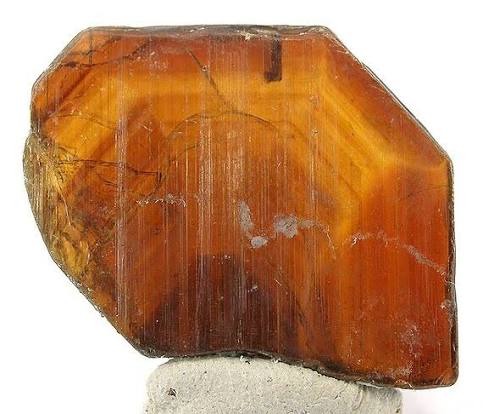
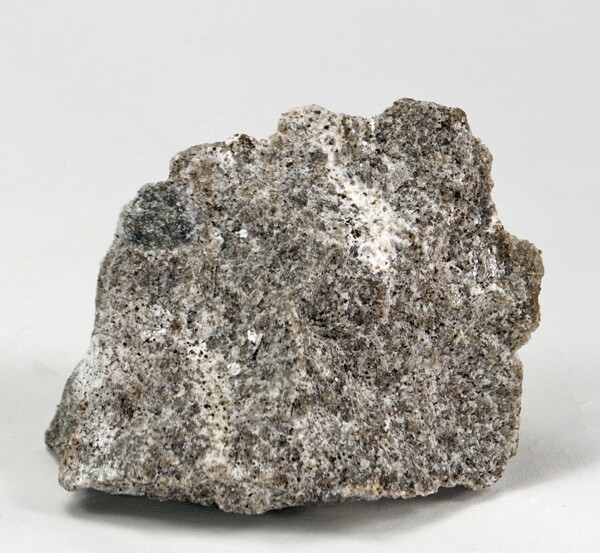
Bismutotantalite is a rare heavy tantalum-bismuth oxide mineral belonging to the columbite-tantalite group, crystallizing in the orthorhombic crystal system. Characterized by an exceptionally high specific gravity (up to 8.98–9.0 g/cm³), sub-adamantine to resinous luster, and high refractive indices, it occurs as a late-stage accessory mineral in highly fractionated, lithium-cesium-tantalum (LCT) enriched granitic pegmatites.
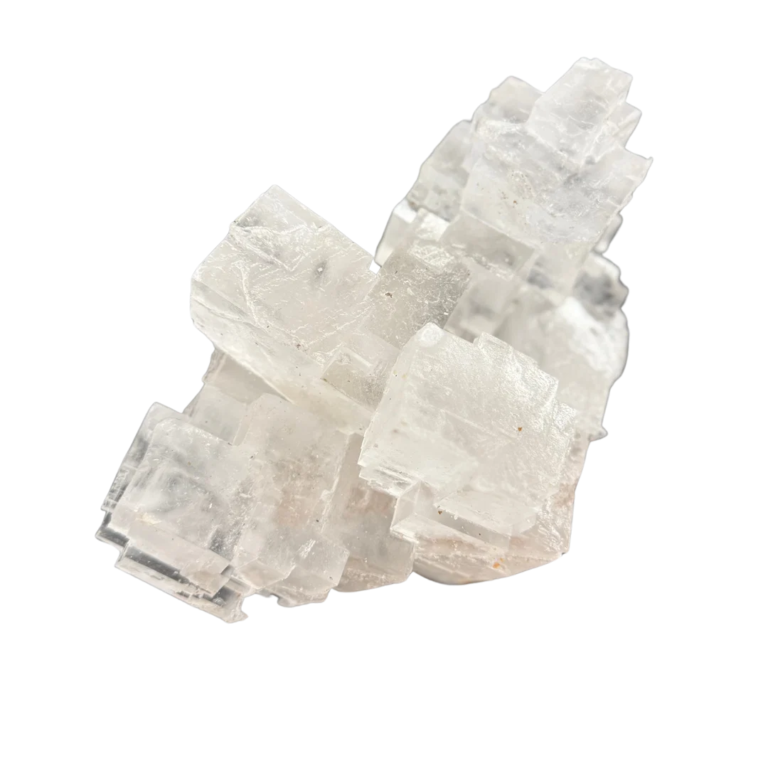
Halite is the mineral form of sodium chloride (NaCl), commonly known as rock salt. It forms isometric crystals in evaporite deposits and is essential to human life, industry, and chemical production.
Mineral names, chemical formula, IMA symbol, group, Strunz and Dana classification.
Crystal habit, class, space group, unit-cell parameters, faces and twinning.
Color, luster, streak, transparency, Mohs hardness, cleavage, fracture and density.
Refractive index, birefringence, dispersion, pleochroism, fluorescence and spectra.
Geological setting, paragenesis, associated minerals, type locality and major sources.
Wearability, varieties, related minerals, health considerations and handling notes.
Profiles are organized for students, researchers and collectors, with comparable mineralogical data and practical handling notes.
Refine the database by name, color, wearability, hardness and country of origin.